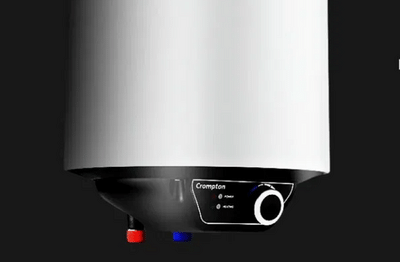
As winter arrives, water heaters (geysers) become essential in every home. But before you switch one on, do you know how much electricity it actually consumes per hour? Choosing the wrong model or wattage can easily inflate your power bill.
A geyser’s electricity consumption depends on several factors — including its capacity, temperature setting, usage time, and even water quality. So, if you’re planning to buy a new geyser this winter, here’s what you should know about its power usage and cost.
Most geysers available in the market range between 1,500 watts to 3,000 watts:
1,500–2,000 watts: Ideal for small families or individuals (1–2 members).
3,000 watts: Better for larger families or households needing faster heating.
Remember: Higher wattage = faster heating but higher electricity consumption. Always choose the wattage that matches your actual needs — not just for speed.
How Many Units Does a Geyser Consume Per Hour?Here’s a simple way to understand geyser power consumption:
| Small geyser | 1,500 W | 1.5 units | ₹450 (if used 1 hr/day) |
| Standard geyser | 2,000 W | 2 units | ₹600 (if used 1 hr/day) |
| High-capacity geyser | 3,000 W | 3 units | ₹900 (if used 1 hr/day) |
*Calculation based on ₹10 per unit and 30 days of usage.
So, a 2,000-watt geyser running for 1 hour daily will use about 60 units per month, costing roughly ₹600 (depending on your local electricity rate).
Why the BEE Star Rating MattersThe BEE (Bureau of Energy Efficiency) rating indicates how efficiently an appliance uses power.
4-star and 5-star geysers consume less electricity and save money in the long run.
Although these models cost slightly more upfront, they reduce your monthly bill significantly over time.
So, when buying a geyser, always check its star rating — it’s a small detail that makes a big difference.
Instant Heater vs. Storage Geyser: Which Is More Efficient?Instant Heaters:
Heat small quantities of water instantly. Perfect for quick showers or kitchen use. They consume less electricity overall since they only run when needed.
Storage Geysers:
Store hot water for later use. Convenient for families but consume more electricity because the water needs to be reheated repeatedly when it cools down.
Choose based on your household’s needs — for quick use, go for instant; for multiple users, a storage model makes more sense.
Simple Tips to Save ElectricityUse the geyser only when needed — switch it off after heating.
Set the temperature between 50–55°C — higher settings waste power.
Install the geyser close to the tap — shorter pipes reduce heat loss.
Clean the tank regularly — scaling from hard water reduces efficiency.
Insulate hot water pipes — this helps retain heat for longer.