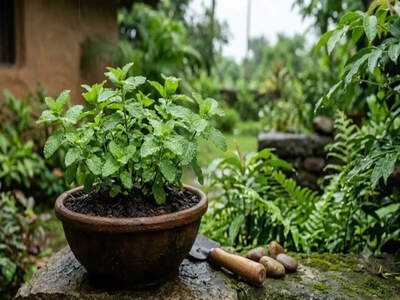
Understanding Monsoon Pruning: As the monsoon season arrives, plants experience rapid growth due to the plentiful rainfall. However, it is vital to provide proper care and perform pruning during this time. Engaging in light pruning at the start of the monsoon can stimulate the growth of new, healthy branches. Furthermore, enhancing air circulation helps mitigate the risk of fungal infections on humid days. If you want to maintain a vibrant home garden or balcony plants, follow this guide on effective pruning methods during the monsoon.
Timing and Reasons for Pruning
At the Start of the Rains:
Pruning is best performed just before or at the onset of the monsoon. This timing allows plants to effectively absorb rainwater and direct their energy towards new growth. Focus on light pruning, which involves removing dry, diseased, or tangled branches, rather than heavy pruning.
Wind Protection:
Monsoon winds can be quite strong. If plants are overly dense or have grown wildly, they risk breaking or being uprooted. Therefore, it’s essential to trim heavy or weak branches beforehand.
Avoid Pruning in Heavy Rain:
Do not engage in deep or heavy pruning during continuous or heavy rainfall, as this can increase the likelihood of rot. On rainy days, limit your actions to removing withered flowers (deadheading) and clearing away yellow or damaged leaves.
Effective Pruning Techniques and Tools
Clean and Angled Cuts:
Always utilize clean and sanitized bypass pruners for your pruning tasks. Make angled cuts on the stem just above a bud or node to prevent rainwater from pooling on the cut surface, thus reducing the risk of bacterial growth.
Immediate Removal of Diseased Parts:
Quickly cut off any stems that appear dry, lifeless, or infected with fungus, and dispose of them far from the main garden to prevent spreading infections.
Clearing the Center:
Trim dense branches from the center of the plant to allow sunlight and fresh air to reach the lower parts, which is essential for preventing fungal growth during humid conditions.
Post-Pruning Plant Care
Fungal Protection: Fungi thrive in the humid conditions of the monsoon. After pruning, apply an organic fungicide like Neem oil to the cut surfaces or sprinkle cinnamon powder to protect the plants from infection.
Watering Guidelines: Pruned plants require less water. Water them only when the top 1–2 inches of soil in the pot are dry.
Check Drainage: Ensure that the drainage holes of all pots are clear to prevent root rot.
When to Prune Specific Plants
February to March (Early Spring): This period is ideal for hard pruning as the cold season ends and plants begin to show new growth. For example, prune hibiscus in late February for abundant summer blooms.
Mogra and Jasmine: Prune these plants now to promote bud formation in summer.
Bougainvillea: Trim dry and unruly branches by early March.
Bonsai and Indoor Plants: This is the perfect time to shape indoor varieties like Money Plants and Ficus.
June to July (Onset of Monsoon):
The rainy season revitalizes plants. Light pruning during this time helps create bushier plants.
Tulsi (Holy Basil): Trim flower spikes and upper leaves at the start of the monsoon to encourage rapid growth.
Curry Leaf: Prune these plants during June and July to stimulate new growth.
Summer Vegetables: Remove dried leaves and excess twigs from lemon, chili, and tomato plants during this period.
September to October (Post-Monsoon):
After the rainy season, plants often grow rapidly and chaotically. Once the weather clears, it’s time to prune in preparation for winter.
Roses: October is the best month for pruning roses in India, leading to large blooms in winter (December–January).
Adenium (Desert Rose): Lightly prune in September or early October to strengthen the stem. For winter flowering plants like marigolds or chrysanthemums, early pinching is done at this time to encourage bushiness.
Contact to : xlf550402@gmail.com
Copyright © boyuanhulian 2020 - 2023. All Right Reserved.