
Watching their child struggle, be it with homework, resolving a disagreement with a friend or navigating a disappointing setback, can be difficult for many parents. And for many, the first instinct is to step in and help them to fix the problem. However, psychological research suggests that constantly rescuing children from everyday challenges might do more harm than good. Instead, psychologists indicate that allowing children to solve age-appropriate problems on their own can strengthen the confidence and resilience they might need later in their lives. A systematic review published in the journal Children and Youth Services Review found that extreme helicopter parenting is consistently associated with poorer psychological adjustments in young minds, including low autonomy, reduced self-efficacy and increased emotional difficulties.
Why constantly stepping might be a bad thing
The review examined findings from numerous studies that explored the topic of , that is, a style characterised by excessive involvement and control over children’s daily lives. Notably, researchers found that while this intervention by parents often comes from their love and concern, repeatedly solving problems on their kids’ behalf can limit opportunities to develop independence, decision-making skills and confidence. The research suggested that young adults who experienced excessive levels of helicopter parenting were more likely to show anxiety, dependency, and face difficulties in managing everyday responsibilities.
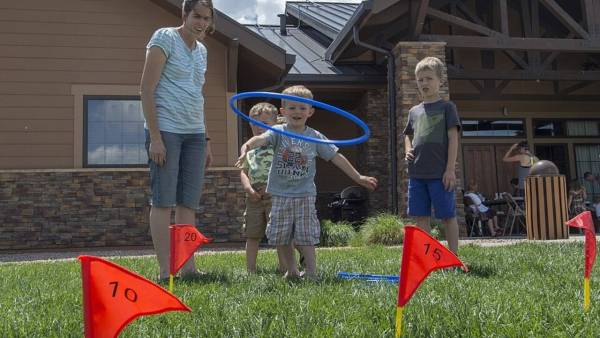
Psychologists explain that confidence is built when a child successfully overcomes manageable problems on their own. According to the Self-Determination Theory, young minds develop intrinsic motivation when three basic psychological needs are supported: autonomy, relatedness, and competence. Thus, allowing children to make their own decisions, experience setbacks, and look for solutions to their challenges on their own strengthens their sense of competence more effectively than having the challenge be removed by their parents for them.
Supportive parenting does not mean solving every problem
Experts emphasise that encouraging independence is very different from withdrawing support. The American Psychological Association notes that resilience develops through facing challenges with appropriate guidance rather than complete protection from the challenges. Therefore, parents can remain available by offering comfort, listening to their problems, and sharing advice, while allowing their children to take responsibility for resolving their age-appropriate matters on their own. This balanced approach helps children build their coping skills that become increasingly important during adulthood.
The systematic review concludes that excessive parental control over their children may unintentionally interfere with their psychological growth , even when they are motivated by good intentions. Instead of viewing independence in children as a sign of reduced parental involvement, psychologists increasingly describe it as an effective parenting method. Thus, parents stepping back occasionally allows children to experience small failures, make decisions, and recover from setbacks on their own.
It is important to note that encouraging independence does not mean expecting the child to navigate every single aspect of life alone. Instead, effective parenting often includes scaffolding, that is, providing guidance when needed while gradually stepping back as children develop the skills to handle their age-appropriate conflicts. This balanced approach allows young minds to manage setbacks and grow confident through their own efforts. Therefore, rather than measuring how often the parent intervenes in their child’s problems, experts suggest it may be better to measure how prepared a child becomes to face future challenges independently. This instinct in them cannot emerge if adults keep interfering in their challenges and try solving every problem on their behalf.
Contact to : xlf550402@gmail.com
Copyright © boyuanhulian 2020 - 2023. All Right Reserved.