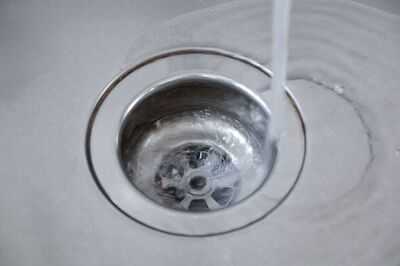
If your kitchen is spotless - worktops wiped, bin emptied and floor mopped - but a musty odour still lingers, there could be an unexpected source. Smelly sinks and drains can build up dirt, grease and grime from cooking and, if not cleaned regulalry, can quickly produce a foul and unpleasant odour.
Professional cleaner Jason, known online as @jason.cleans, explains that the problem is often not the visible sink bowl but the drain area, where grime quietly builds up over time. Jason, who runs a cleaning business and regularly shares practical cleaning tips, said in a TikTok video: "Kitchen sinks are notorious for being the source of musty smells.
"If you have a clean house but there's a smell you can't seem to get rid of, your sink may be the culprit," he said. He added that sink drains "collect soap scum, food residue, hair and moisture," creating "the perfect conditions for mould and bacteria to grow."
His simple fix uses common household items and only takes a few minutes when done correctly. It involves pouring baking soda, vinegar and boiling water down the drain.
This, he explained, "melted grease, loosened soap scum and softened the build-up." Next, he recommends tipping half a cup of baking soda down the drain, followed by one cup of white vinegar, before letting it fizz for around 10 to 15 minutes. Finally, the drain should be flushed again with hot water.
Jason suggests doing this once a month to "enjoy a fresher feeling at home."
Even when the sink bowl looks clean, several other factors could still cause unpleasant smells. Experts at Plumbworld highlighted the U-bend under the sink as a common source.
"The water trapped in the U-bend acts as a barrier to the foul smells that would otherwise rise from the sewer or other drainage pipework," the experts said.
If this water seal dried out, or if there was a build-up in the pipes, odours could creep back into the kitchen.
Another frequent cause is residue left on the sink and draining board after washing up - tiny food particles, greasy film or water that never fully dried. Plumbworld recommends a thorough clean using household staples like bicarbonate of soda and white vinegar, which helped lift grime that a quick wipe missed.
However, a spokesperson for Plumbworld also offered a word of caution on handling boiling water: "While boiling water can sometimes help break down grease or soap blockages, it's important to be cautious.
"Pouring very hot water too quickly or in large amounts can cause splashing and may damage pipes, especially PVC ones. To be safe, use water that is hot but not boiling, and pour it slowly down the drain."
Contact to : xlf550402@gmail.com
Copyright © boyuanhulian 2020 - 2023. All Right Reserved.