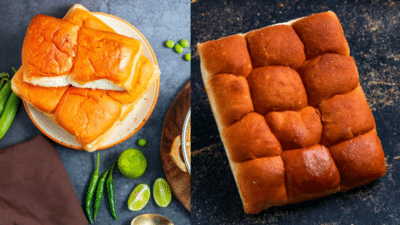
For anyone who has ever stood by a Mumbai street cart, breathing in the aroma of butter sizzling on a hot tawa, the word pav carries more than just the image of bread. It carries the memory of vada pav eaten hurriedly between train rides, the taste of pav bhaji on a rainy evening, the softness of bread rolls that seem made for masala. But ask a true Mumbaikar and they’ll tell you: not all pavs are created equal. There’s pav, and then there’s ladi pav . And the difference lies not only in shape, but also in soul. Scroll down to know more...
A borrowed bread with a local story
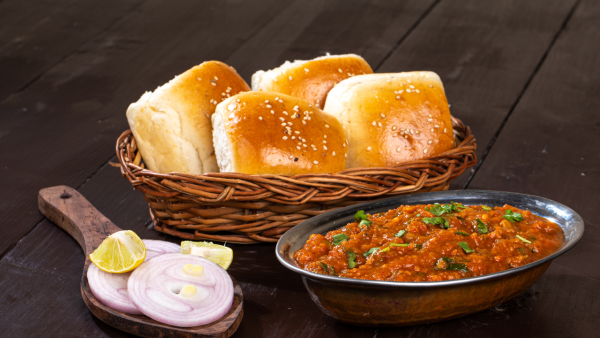
The very word pav comes from the Portuguese pão, meaning bread. Introduced in Goa and then finding its way into western India, pav began as a colonial import but quickly rooted itself in local diets. Over time, bakers adapted it to suit Indian kitchens; smaller, lighter, and less sweet than European rolls. In most cities, “pav” simply means a plain, round or oval bread roll. You’ll find them in bakeries across India, often eaten with tea, butter, or curry.
What makes Mumbai’s pav different?
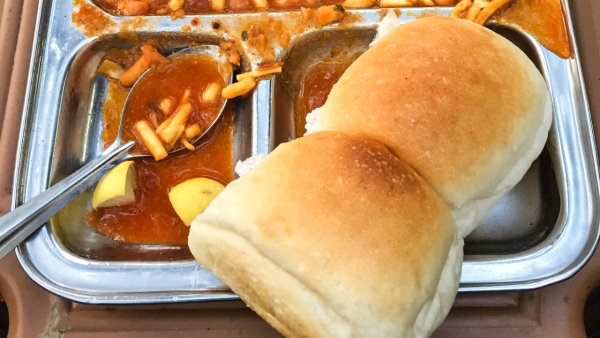
Mumbai gave the humble pav a makeover, and in doing so, turned it into a cultural icon. Ladi pav literally means “pav in a row”, small rolls baked together in rectangular trays so they rise against each other, forming a slab or “ladi.” Once baked, they are pulled apart by hand, leaving soft edges instead of crusty ones. Unlike the individually shaped pavs found elsewhere, ladi pav has this pull-apart quality that makes it unique.
Texture tells the tale
Regular pavs are often firmer, sometimes drier, with a noticeable crust. They can feel like cousins to the dinner rolls found in many parts of the world. Ladi pav, on the other hand, is unmistakably soft, pillowy, and slightly chewy. It soaks up butter, bhaji, or curry without falling apart too quickly. This tenderness is the very reason why vada pav or misal pav tastes incomplete without it - the bread bends to the dish, never competing with it.
Flavor, butter, and street magic
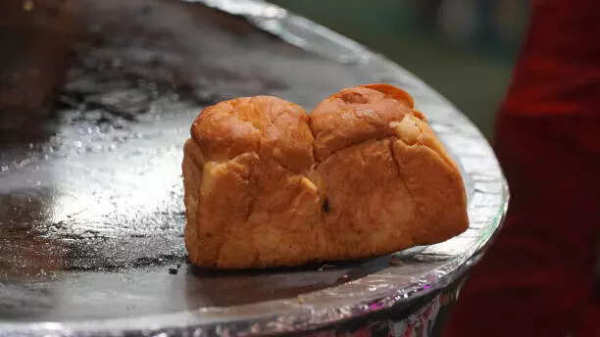
Another difference lies in flavor. Regular pav is neutral, made to sit quietly beside tea or gravy. But Mumbai’s ladi pav carries a faint sweetness and a milky richness, designed to balance fiery spices. When a street vendor smears it with butter and tosses it on a hot tawa till golden, the pav itself becomes part of the dish’s character; not just a carrier, but an active participant.
Culture in every bite
Ladi pav isn’t just bread; it’s a cultural marker. It belongs to the rhythm of Mumbai: fast, affordable, and communal. You buy it not as single rolls, but as a slab, tearing pieces away for everyone at the table. Its very form; stuck together, then pulled apart; mirrors the city itself: crowded, interdependent, always moving as one.
So, pav or ladi pav?
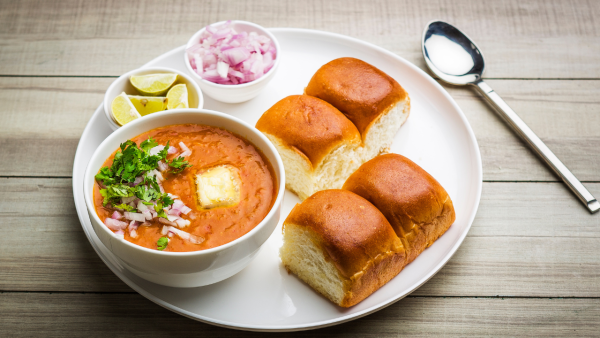
The difference is simple yet telling. Pav is bread. Ladi pav is a feeling; soft, warm, pulled apart and passed around. One is generic, the other is rooted in place, memory, and habit. It’s the bread that has grown up alongside the city’s working class, its students, its street food culture. Without ladi pav, the vada pav would just be a potato fritter, and pav bhaji would lose its balance of spice and comfort.
In the end, you don’t just eat ladi pav - you live it.
Contact to : xlf550402@gmail.com
Copyright © boyuanhulian 2020 - 2023. All Right Reserved.